


This website uses cookies to improve your experience. We'll assume you're ok with this, but you can opt-out if you wish. Read More

Looking for how to make native friends while on your study year abroad? This post is all about what qualities you need to harness to strategic methods on establishing a relationship.

Making friends can be really hard, especially the older you get – talkless of doing it in another country, in a different language. Having spent a year abroad in Paris, I found it challenging to establish meaningful relationships because people weren’t interested in making new friends. This gave me the skillset on how to make friends abroad.
My problem was that I chose final year modules. At that stage, everyone already has their own friends, they’re just trying to get through the year with the best possible grades for their masters, and they assume that you can’t speak french.
I overcame, conquered, and made meaningful friendships with people I still stay in touch with today. This article is designed to help you with things I wish I knew to help me make meaningful, long-lasting friendships faster. I will talk you through different ways to establish friendships with native speakers while on your year abroad.
This post will inform you all about the best ways to make friends with native speakers when you’re studying abroad.
You must not rely on your English/native language. It is really easy to give up and start speaking English as most likely they can understand it or even are fluent in it. It is important for you to practice even when you feel stupid. Perseverance is the most important trait to have when language learning.
You must persist.
Most french students wouldn’t interact with me because they assumed I couldn’t speak or understand. So by showing your perseverance they will be more inclined to interact with you. In my experience, when they overheard me speaking french to one of my native friends, they were quite shocked and impressed by my language skills. This encouraged them to ask more about me and we ended up connecting with each other on instagram.
Your silence (be it overwhelm, shyness, or anything of the sort) gives credence to their hesitation in interacting with you. If you’re naturally a shy person, try saying hello and ask them for their instagram. It may be your nature (I’m naturally shy) but in a circumstance like this, it’s holding you back. You must break out of your shell if you want to grow and make friends studying abroad. Do not let it hinder you.
In addition to persisting in speaking with natives, don’t get caught up speaking english with the other exchange students.
It is very easy to make friends with the other international students because you connect with the different experience of being an exchange student and speak the same language. However, this can deeply hinder your language skills.
When I was in my second year, my friend and I asked a final year about his experience abroad. He mentioned that he spent all his time with English speakers. Consequently, when he returned, his language skills were actually worse than ever before. My friend and I were shocked! We thought, but how is this possible? I am here to warn you, it is very possible. The moment people heard my french accent they would politely suggest ‘Oh I can speak in english’ or they just switch without asking. Do not concede.
You could suggest helping them with their English and they help with your French but it must be structured. If you choose to do this, have a set amount of time to speak french with them, it can be easy getting caught up speaking english especially when a lot of english slang on the internet embeds itself into other cultures.
Stay disciplined.
Joining a society would help you interact more with native speakers as it requires collaboration. The more and the longer you collaborate with people the easier your conversational skills get. This helps you develop your personality in the language as you are able to truly express yourself without the hindrances of grammar and expression.
Go on the university website and look at their societies. Check to see if they have an instagram account and keep an eye out for an upcoming event.
If you can’t decide what society you like, just choose one that looks good for your CV. I think I was too caught up on finding one related to my interests that I forgot I could join one that boosts my experience.
Societies are the best way outside of getting a job to show that you have experience in dealing with people, so it will give you a boost in your interviews. You can mention the difference in culture when collaborating with people from your home country compared to people in your host country.
This is one thing I regret not doing, because you have a lot more to talk about in future interviews and can defend your cultural knowledge with these experiences. I personally could just never decide which one I wanted to join, and so I never bothered going to any events.
Don’t be like me.
Bonus tip:
If you choose a society for professional interests, you could liaise with native professionals and potentially secure internship experience through that if you’re looking for one.
You could develop long-term professional relationships and leverage this for your language and professional development.
Your friendships don’t only have to be on a social level but consider professional ones too!


This method was my most used method of getting to talk to a native because they couldn’t run away. They were forced to interact with me whether they liked it or not, and if they weren’t rude they would respond – but you’d be surprised how impolite people can be. Some may sneer at you (myself and my friends have had such experiences) but snobs exist everywhere, in your native language too.
Don’t let it discourage you.
Sitting next to someone will allow you to build rapport with them and may help them see your personality rather than just labelling you as an Erasmus student who can’t understand what they’re saying.
Once class is over, it sets you up to be able to ask them to grab a coffee after class in a nearby cafe. People are chattier once the lesson is over, I did this many times and it worked for me – it was actually my favourite method.
In fact, the people I went out to grab a coffee with, we developed a great friendship and I still speak with them to this day. It’s easy for relationships to be fleeting once you leave the environment, but being intentional about building a connection requires determination.
If you are taking final year modules, these people are not interested in making new friends and just want to get through the year. So you need to apply pressure.
Exercise, especially team sports, connects people because there are like-minded people who enjoy doing the same thing as you in one area. It will be easier to build connections with them – granted, at a cost.
I couldn’t afford going to the gym because it was significantly more expensive in France, especially since they didn’t offer student discounts via unidays or studentbeans. Student discounts barely exist there.
You could check to see if there is a university gym, but I was not committed enough to travel to the 18th arr just to exercise. It’s not very motivating. Sorbonne did have regular exercise classes that the L3 students (L3 meaning third year) were obligated to attend. It’s a more relaxed atmosphere for you to develop a relationship with a native speaker.
I know someone who was into climbing, so she joined a climbing gym near Boulogne I’m pretty sure – she made a lot more friends. Climbing gyms are basically social clubs, plus everyone is in a good mood because of the adrenaline rush. So if you’re not into climbing, maybe try it!
A more cost effective way to make friends through sport is to join a run club. I never got into running while in Paris because I was too intimidated but I wish I had. If you download Strava or another running app I’m sure it will show you your local running groups or clubs that you can join.
Besides, maybe you’ll find someone you like – running clubs are the new dating apps nowadays.
I love studying in the bistros and cafes. Libraries honestly aren’t my thing, and considering their libraries shut shockingly early, I was forced to sit in my local brasserie anyway.
You can target someone who is sitting alone and try to spark conversation with them. Maybe start with what they’re drinking to make it seem as though you don’t know what you want to get.
Most people are curious, so the conversation can continue to flow if you are a good conversationalist. If not, then it’s good practice to hone your people skills. It will make you more confident, even though it may seem scary in the moment.
The worst thing that could happen is that they ignore you. You’ll get over it. Life is too short to stress over a single social interaction that doesn’t add value to your life.
This method, if you’re a shy person, can be a way for you to build your confidence and get used to taking small risks.
For those who aren’t shy, it’s a great way for you to manouevre creating connections with people from a different culture from you. It’s one thing to make international friends in your home country, but it’s more impressive to do it in an environment with different social standards. It shows you have an international perspective, are adaptable, and a great communicator.
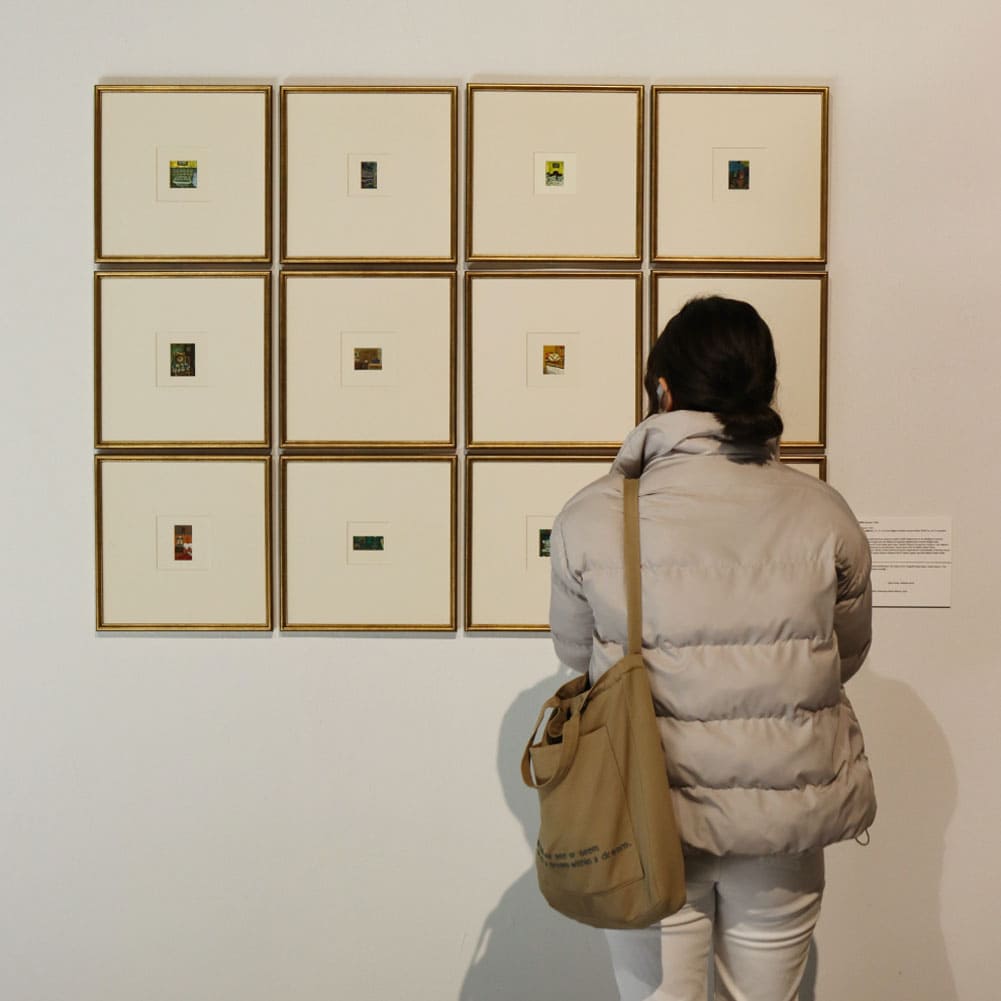
If you like reading, then you could try going to a book club. Someone recently introduced me to the app Meetups to find like minded people, although I’ve never used it so I cannot comment on it. Use it at your own discretion.
Reading and talking about what you’ve read will give you the confidence you need to talk about something other than yourself. You may find it easier to articulate something you’re interested in as your lexis in this topic will be broader.
It’s not a club, but going to a religious institution regularly can help you connect with people, even if they’re not at your university or workplace.
Churches are always welcoming people, and they recognise new faces. As long as you don’t limit yourself to making friends who are the same age as you, there will definitely be a way for you to build meaningful relationships. Who knows, maybe you’ll even find a mentor!
All you need is one person to introduce you to their network, then your network will grow exponentially and you can develop more relationships.
Book clubs give you the opportunity to say to employers that you have business proficiency because you are expressing your opinion based on data. Though it may not seem that way to you if you’re talking about a romance or realist novel like Madame Bovary for example, what you will have is the transferable skill.
Bear in mind, literary French is much harder (because of the use of passé simple) than modern, business language. All you’re missing is the terminology, not the skill.
Volunteering at a local charity is a great way to meet people too! You don’t need a work visa (at least in Paris you don’t).
Make sure to check whether or not the charity is expat friendly – they may speak English at these ones. But also be diligent in choosing an established NGO, for your own safety.
Being more involved in the local community shows intentionality, and that you’re able to build community in an unfamiliar environment. You could make friends in your local area and that way, you can be more deeply involved in their culture!
If you continue putting yourself in situations where you need to collaborate or interact with others, it will get easier to express yourself, your interests and your personality can shine through – even if you can’t conjugate in the past or future tenses.
What deters natives the most is their assumption that you can’t communicate – so, communicate!!
This post was all about the best ways to make friends with native speakers when you’re studying abroad.
Remember, it’s all about persistence. I hope these tips help you the next time you encounter a native! Make sure to share with your friends and comment your own tips down below.
A passionate and creative female blogger who is navigating living in the city in her 20s



This website uses cookies to improve your experience. We'll assume you're ok with this, but you can opt-out if you wish. Read More
Cookie Settings